Home >What We Do > Metal Injection Molding Automotive Parts Manufacturing
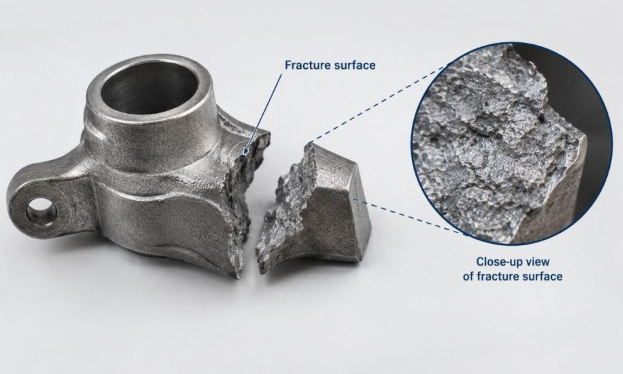
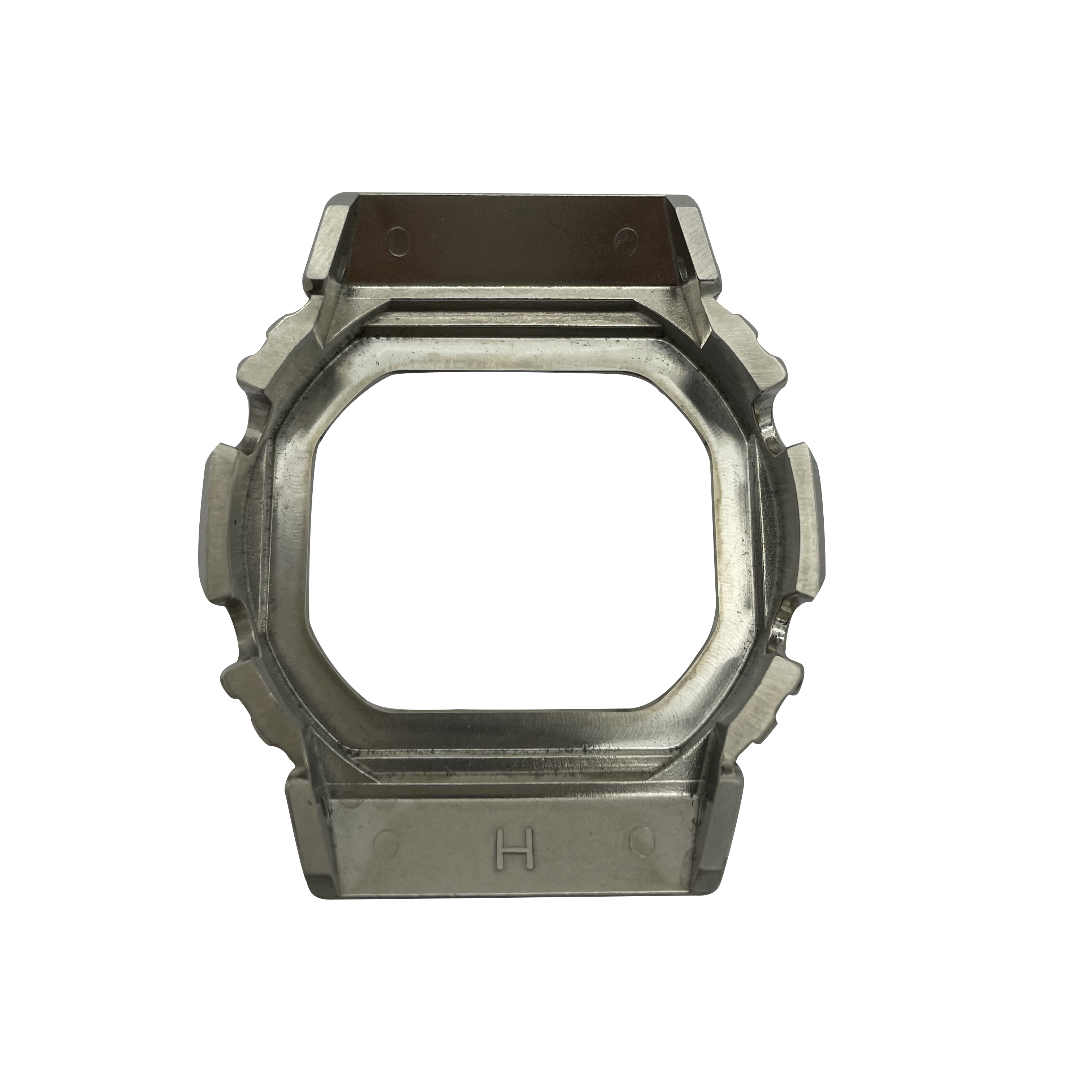
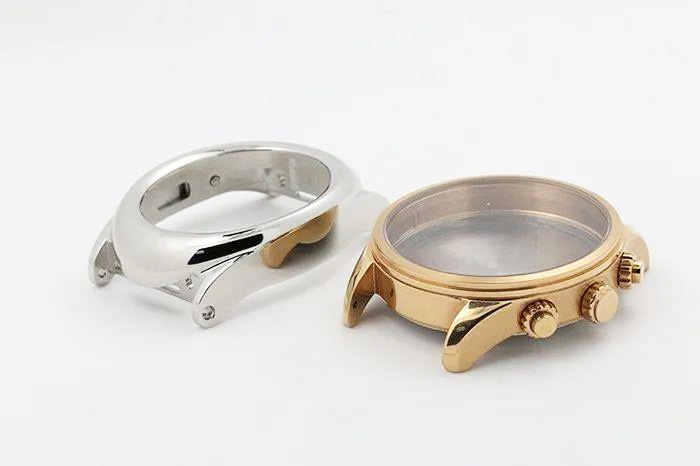
Metal injection molding is a manufacturing technique that has taken advantage of the design versatility of plastic injection molding and the strength and performance of metals. Metal Injection Molding Automotive Parts Manufacturing is a technique that involves mixing fine metal powder with a binder, forming it into complex shapes, and debinding and sintering it into a parts. This is good for providing parts for cars that are small, complex, precise, and require to be manufactured in bulk. It may also save several machining and assembly operations in case of a well-designed part for MIM.
Metal injection molding (MIM) is an injection molding process that involves the formation of complex metal parts by removing a binder from the molding and subsequently high-temperature sintering. The first step is to mix a polymer binder with a fine metal powder to produce a ‘feedstock’ which can be extruded into a mold. The binder is removed after molding and the remaining portion is subsequently sintered to form the desired metal structure and size. In automotive parts, MIM is especially helpful for parts with complex shapes that need to be
produced multiple times, and that would be challenging or costly to make using multiple machining operations.
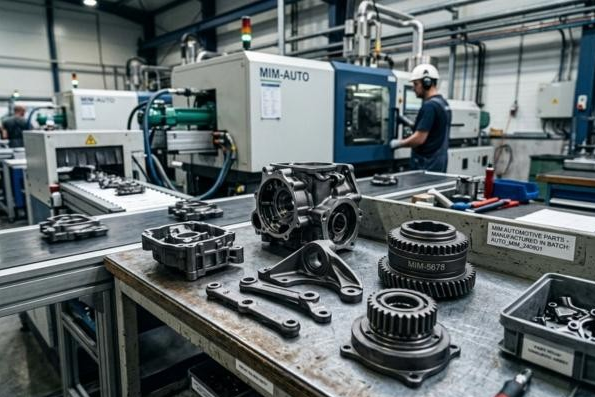
The manufacturing process has several controlled steps and each step impacts the end quality of the automotive component. These steps help the engineer and the buyer to assess if MIM is appropriate for the part.
MIM feedstock is a fine metal powder, which is carefully mixed with a binding system. Molding performance and properties of the final parts can be affected by powder type, particle characteristics, binder system, mixing process, etc. Therefore, the selection of materials should be based on the properties of the components themselves, their resisting ability to corrosion, hardness, resistance to temperature change and operating conditions.
The ready-to-use feedstock is then heated and delivered into a precisely controlled mould under regulated conditions. The mould provides the general form of the vehicle part and can take on intricate features like holes, grooves, undercuts and other detailed forms. The location of the
gates, wall thickness, draft and mold design are important factors for obtaining consistent filling and defect-free production.
Once molded, the binder is slowly burned away from the component.The binder is then gradually extracted from the component after moulding. This part is generally referred to as a brown part, and is then heated to a specific temperature during the sintering process. In this phase, the particles of metal fuse together and the part creases to its final dimensions and qualities. Shrinkage is important aspect of MIM and hence, tooling and design should take into account the dimensional change that is expected during MIM.
It is necessary to conduct further processing such as heat treatment, surface treatment, grinding, and CNC machining on critical parts after the sintering process. Finally, dimensions, surface quality, material properties and other customer requirements can be checked during final inspection. The percentage of secondary processing will be determined by the design of the component and the desired tolerance.
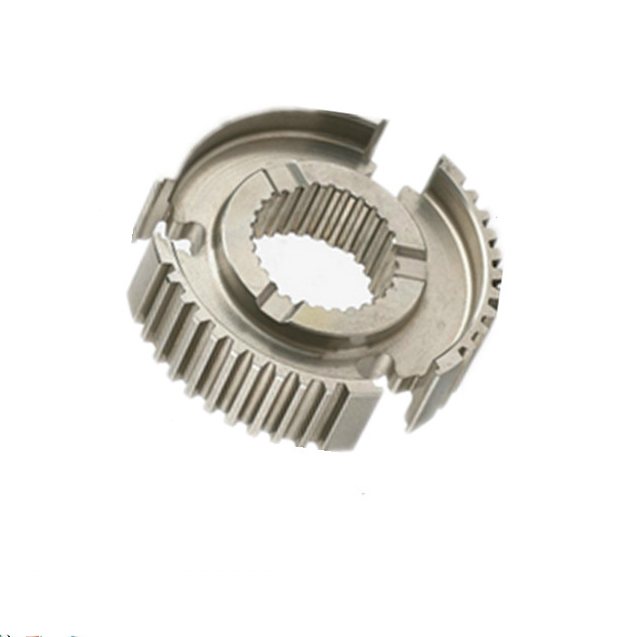
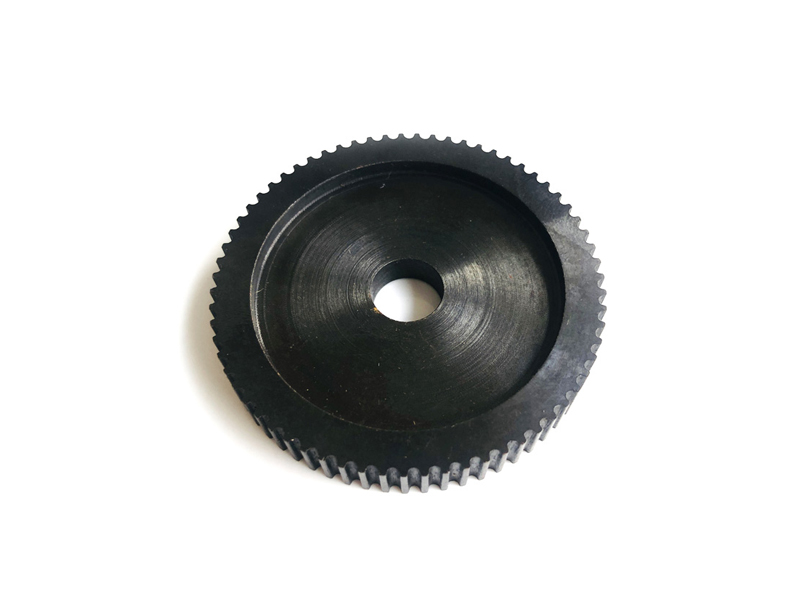
MIM is used for various small and complex automotive components. Applications have included parts for engines, gearboxes, turbochargers, steering systems, locking mechanisms, seat systems, sunroof systems, airbags, and electronic systems. Common examples include actuator components, transmission components, sensor-related parts, locking components, brackets, and other precision mechanisms. The process becomes particularly useful when several functional features can be integrated into one molded component instead of producing separate parts through multiple manufacturing operations.
There are several reasons manufacturers consider MIM for automotive components. It can produce complex shapes that would require multiple machining steps using conventional manufacturing methods. It also supports repeatable production of high volumes and can integrate multiple features into a single component. MIM can reduce material waste compared with some subtractive processes and may reduce secondary operations when the design is optimized for the process. The strongest MIM applications generally combine shape complexity, material performance, production quantity, and overall component cost rather than relying on only one factor.
An important aspect of successful automotive MIM production is the selection of the suitable material. Stainless steels are generally recommended for corrosion resistant and high strength
components, while low alloy steels can be used for parts that require higher mechanical properties or heat treatment. Special materials, such as tool steels, nickel alloys, magnetic alloys, and other specialty materials can also be utilized for certain applications. The material selected is affected by the mechanical load, temperature, wear, corrosion, magnetic properties and the operating environment. The MIM material databases contain a wide variety of alloy families that span a variety of engineering applications.
Metal Injection Molding Automotive Parts Manufacturing can provide several production advantages when the part is a suitable candidate. The process allows engineers to create intricate geometries while maintaining the properties of metal. It can support high-volume production with consistent tooling and can reduce the number of individual components when functional features are integrated into the design. MIM can also reduce machining requirements for suitable near-net-shape components. However, these benefits depend on part geometry, material, production volume, tooling requirements, and dimensional specifications.
MIM's major benefit is its capability to manufacture complex geometries. Sometimes cross holes, internal threads, splines, undercuts, grooves and irregular contours can be molded into the part. This design flexibility can facilitate engineers to combine features and to minimize assembly operations.
MIM is well suited to applications where the same complex component must be produced repeatedly in significant quantities. Once suitable tooling and process parameters are established, manufacturers can produce large batches with consistent geometry. This makes production volume an important factor when comparing MIM with machining or other manufacturing methods.
For appropriate parts, the use of material can be controlled and the machining time can be reduced by using MIM. As with any tooling, though, the total economics will dictate based upon volume of parts, complexity of parts, material, secondary operations, and required quality.
With a controlled MIM process, repeatable parts can be achieved through multiple runs of production. Important to ensure dimensional and material performance are consistent feedstock, molding conditions, debinding, sintering, and inspection. Documented quality systems and customer-specific inspection requirements may also be required for
automotive applications.
Manufacturing Method | Best Suited For |
MIM | Small, complex, high-volume metal parts |
CNC Machining | Low-to-medium volume and highly customized parts |
Die Casting | Larger-volume parts using suitable castable metals |
Stamping | Thin, relatively simple sheet-metal components |
Traditional Powder Metallurgy | Suitable parts with less complex geometries |
Before tooling starts, good design is critical. Engineers need to take into account part size and weight; wall thickness; parting lines and draft angles; holes; undercuts; ribs; threads and gate locations; and the shrinkage that is likely during sintering. It is particularly important that the walls have uniform thickness as large differences in thickness can lead to an uneven shrinkage, distortion, internal stress and dimensional issues. If the design is done with the use of the MIC capabilities from the outset, there is scope to minimize secondary operations and tooling changeovers.
Quality control should apply to the whole production line and not just the finished product. In addition to monitoring the feedstock preparation and injection molding, manufacturers can also track debinding, sintering, and final inspection. Depending on the application, dimensional inspection, material verification, density or mechanical testing, surface inspection, and process documentation can be required. When parts need to be engineered and customer defined, quality and traceability are critical to automotive components.
The cost-effectiveness of MIM varies according to the types of components and production needs. A big initial investment may be required for tooling, but it could be a worthwhile thing to do if a complex part is to be manufactured in medium or large quantities. In cost analysis part complexity, material cost, annual volume, machining requirement, tolerances, finishing and inspection requirements should all be considered. MIM is most powerful when the technology is employed to make complex near-net-shape parts that reduce the expensive tooling and process cost of manufacturing the part.
When selecting an MIM supplier, automotive companies should evaluate more than the quoted part price. Look at the manufacturer's MIM experience, automotive application knowledge, material capabilities, tooling expertise, production capacity, quality-control systems, engineering support, prototyping capability, and secondary processing options. It is also useful to review how the supplier handles DFM analysis, dimensional requirements, testing, documentation, and production consistency. A capable supplier should be able to discuss the part design and recommend changes before tooling begins.
Metal Injection Molding Automotive Parts Manufacturing is a viable solution for manufacturing automotive parts that are small, complex, and high volume. The advantages it has are that it can be designed flexibly, be produced repeatedly, have a great choice of materials, and can reduce the number of steps of the operation of the parts when suitable design is selected. For successful production of MIM, however, material selection, DFM planning, tooling, process control and quality inspection are extremely important. The factors are assessed early to decide on the suitability of MIM as a production method for a particular automotive component.
Previous: MIM Inspection & Testing Standards
Next: 无
 Send A Message
If you are interested in our products and want to know more details,please leave a message here,we will reply you as soon as we can.